
Miscellaneous
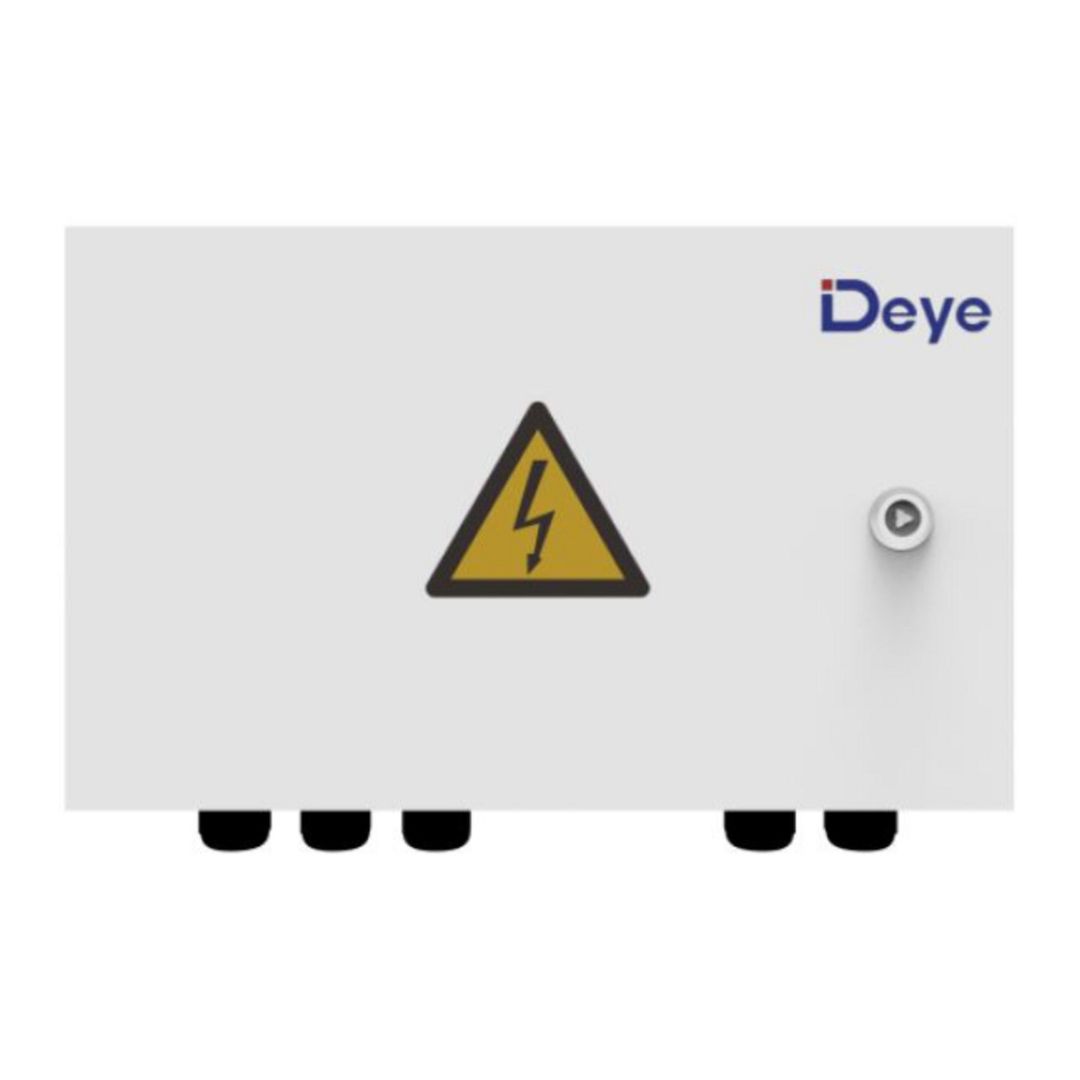

Deye Combiner Box 300A – Reliable power distribution for high-voltage battery systems
The Deye Combiner Box 300A is a central distribution unit for high-voltage battery storage solutions. It has been specially developed to connect up to four battery strings in parallel and connect them safely to an inverter. Thanks to its sophisticated design, it also supports the parallel connection of several combiner boxes for systems with higher energy requirements, perfect for PV systems in commercial and industrial environments.Highlights at a glanceUp to 4 batteries can be connected in parallel Parallel connection of several combiner boxes possible for higher capacities High operational reliability up to 300 A rated current IP55 housing: Protection against dust & water jets Naturally cooled, without active fans Wide temperature range from –40 °C to +60 °CApplication and system integrationThe Combiner Box serves as a central collection point for up to four high-voltage batteries (connection via M8 screws) and feeds the energy bundled via two outputs (M10 screws) to the inverter. The option of connecting several boxes in parallel allows the system to be flexibly adapted to growing power requirements, for example for large-scale solar storage systems, commercial operations or industrial grid applicationsCombiner_Box-300A-V1.1.FAQs about the Deye Combiner Box 300AWhat voltages and currents does the Combiner Box process?The box is designed for a DC voltage range of 120 – 1 000 V. The maximum total current is 300 A, with up to 100 A permitted per input.Can I combine different Deye battery modules?Yes, all HV series from Deye such as BOS-G Pack 5.1, AI-W 5.1-B and SE-G 5.1 Pro-B are compatible, provided that the string voltage remains below 1 000 V.With which Deye inverters is the box compatible?The Combiner Box is approved for all three-phase Deye hybrid inverters of the SUN-xK-HP3 and BM series. For communication via CAN, setup code 00 must be selected in the inverter menu.What cable cross-sections are recommended for 300 A?Deye recommends a DC cable cross-section of at least 25 mm² for cable lengths of less than 5 metres. For longer distances, correspondingly higher cross-sections are required.Which protective functions are integrated?The combiner box has a fully automatic protection circuit with short-circuit, overcurrent, overvoltage, undervoltage and overtemperature shutdown. All reactions take place within 5 ms.
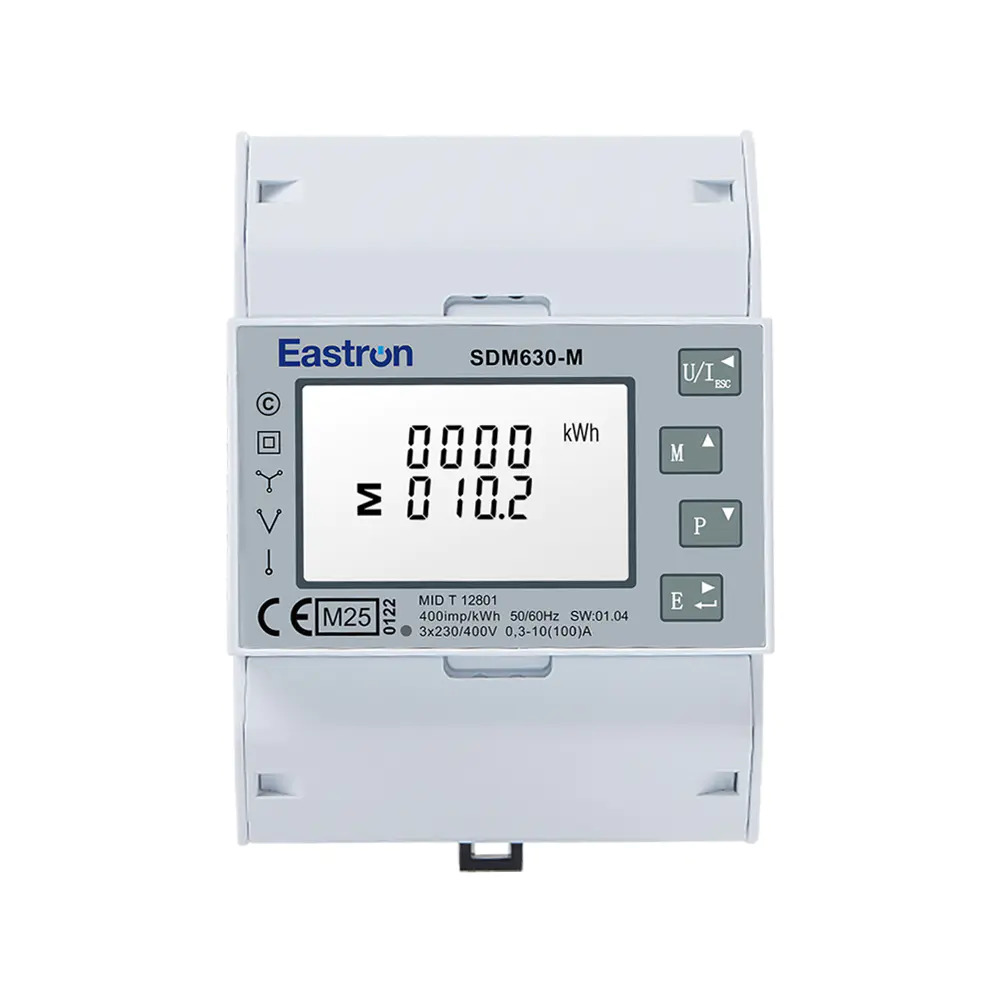
Eastron SDM630-Modbus three-phase energy meter
The Eastron SDM630-M is a modern and multifunctional digital energy meter for three-phase networks, designed for comprehensive monitoring and analysis of electrical parameters. Thanks to its integrated Modbus RTU interface, it can be seamlessly integrated into building automation, energy management or photovoltaic monitoring systems. As a direct-reading meter capable of measuring up to 100 amps per phase, it offers precise data acquisition for a wide range of applications in commercial, industrial and demanding domestic settings.Key features at a glancePrecise measurement: Reliably measures a wide range of electrical parameters (kWh, kvarh, kW, kvar, kVA, P, F, PF, Hz, dmd, V, A, THD).Modbus RTU interface: This enables simple remote reading and integration into higher-level systems via RS485.Multifunctional: Suitable for energy monitoring, cost centre accounting, load management and PV system monitoring.Direct measurement up to 100A: No external current transformers are required for currents up to 100A per phase, which simplifies installation.Compact DIN rail format: Simple and space-saving installation in standard electrical distribution boards (4 TE).Comprehensive energy monitoring for professional applicationsThe Eastron SDM630-M is the ideal instrument for detailed recording of energy consumption and generation. It enables precise monitoring of total consumption, individual machines or circuits, as well as the recording of energy generated by a photovoltaic system. Thanks to its ability to measure active and reactive energy in both directions (import/export), it is perfectly suited to monitoring PV systems with self-consumption. Its data forms the basis for energy efficiency measures, internal cost allocation or the monitoring of load profiles.Precise measurement and flexible integrationIn addition to active energy (kWh), this energy meter also measures reactive energy (kvarh), active power (kW), reactive power (kvar), apparent power (kVA), current (A), voltage (V), frequency (Hz), power factor (PF) and total harmonic distortion (THD) for voltage and current. The integrated Modbus RTU interface via RS485 enables all these values to be retrieved by systems such as data loggers, PLCs or energy management software. Direct measurement up to 100A eliminates the need for the complex installation and configuration of external current transformers in many standard applications.Simple installation and operationThe SDM630-M can be installed quickly and easily on a standard top-hat rail (DIN rail) in electrical distribution boards. The large, backlit LCD display allows the most important measured values to be read directly on site. The buttons on the front panel allow you to navigate intuitively through the various display menus to view all recorded parameters or make basic settings.NoteThe SDM630-Modbus V2 is available in MID and non-MID versions. Following the expiry of the MID certificate, the new MID version is now designated as the SDM630-M.FAQs on the Eastron SDM630-M energy meterWhat is the difference between the SDM630-M and other SDM630 variants?The ‘M’ in the name stands for the integrated Modbus RTU interface. There are also variants with pulse outputs (e.g. SDM630-V1/-V2), with an M-Bus interface, or as MID-calibrated versions for billing purposes (SDM630-Modbus-MID).Do I need external current transformers for this meter?No, this model is designed for the Direct measurement Rated for currents up to 100 amperes per phase. No external current transformers (CTs) are required as long as this current range is not exceeded. Special transformer-based meters (e.g. SDM630MCT) are available for higher currents.Is this meter suitable for official billing (e.g. with the energy supplier)?No, this standard model is generally not It is MID-certified and must therefore not be used for billing based on kilowatt-hours. It is primarily intended for monitoring purposes and internal cost allocation. For billing purposes, you must use a variant with MID approval (e.g. SDM630-Modbus-MID).How is the data read via Modbus?To read out the data, you will need a Modbus master (e.g. a data logger, a PLC, a Raspberry Pi or a PC with the appropriate software and an RS485 interface). The master sends queries to the meter’s address on the RS485 network and reads the values from the defined Modbus registers. The register mapping can be found in the meter’s manual.
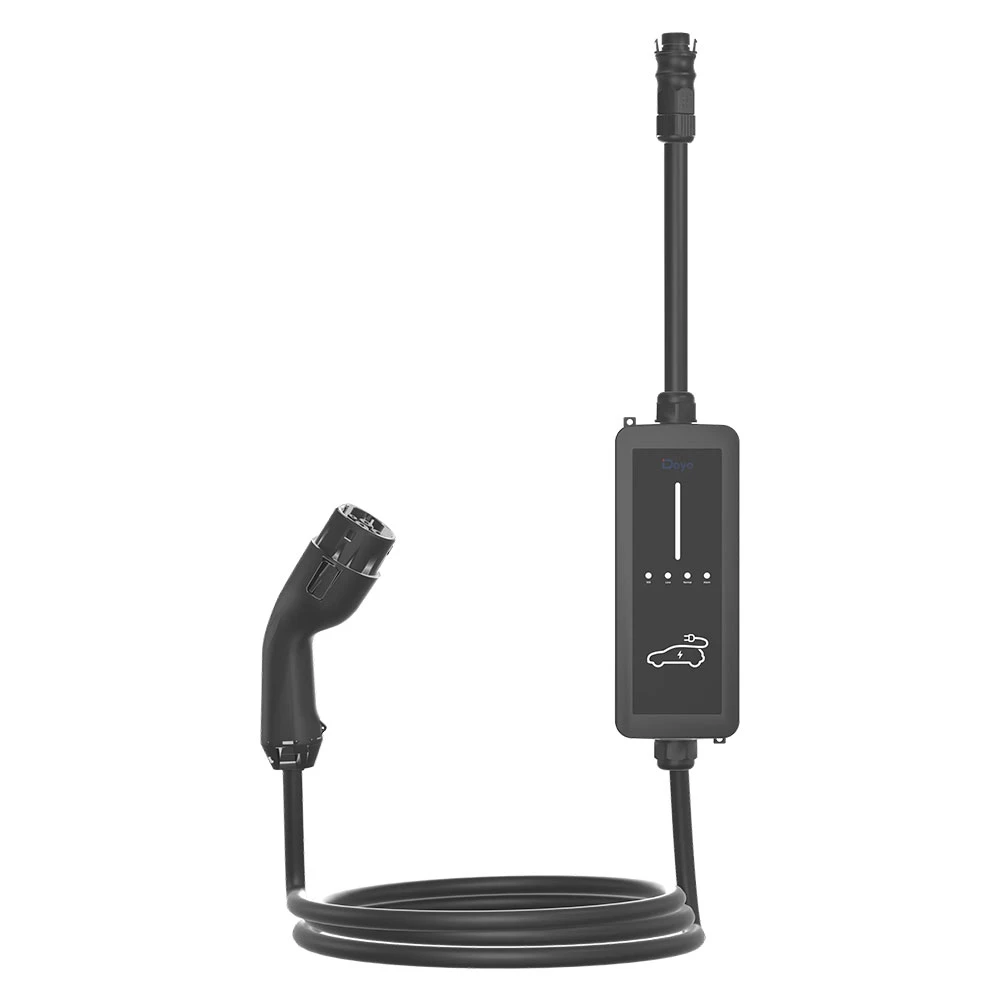
Deye WALLBOX SUN-EVSE22K01-EU-AC 22 kW Smart EV Charger
The Deye SUN-EVSE22K01-EU-AC Smart Wallbox enables smart, safe and particularly efficient charging of electric and plug-in hybrid vehicles directly at home or in a commercial setting. With a charging power of up to 22 kW via a three-phase connection, it charges a compatible vehicle significantly faster than a conventional domestic socket.Thanks to its smart integration into existing Deye energy systems, the wallbox can be powered specifically using self-generated solar power. Various charging modes, control via the Deye Cloud app and modern communication interfaces make the SUN-EVSE22K01-EU-AC a flexible charging solution for efficient energy management.Your benefits at a glanceUp to 22 kW charging powerWith a three-phase connection, the Wallbox provides a charging power of up to 22 kW. In single-phase operation, up to 7 kW is possible. This allows compatible electric vehicles to be charged much faster than from a conventional socket.Smart app controlThe Deye Cloud App allows you to conveniently monitor and schedule charging sessions via your smartphone. This enables flexible management of charging times, operating modes and energy consumption.PV-optimised chargingWhen used in conjunction with a compatible Deye energy system, the wallbox can prioritise charging when the photovoltaic system is producing surplus solar power. This increases self-consumption and reduces the amount of electricity purchased from the grid at a cost.Comprehensive safety featuresAn integrated 6 mA DC fault current detection system, together with protection functions against overvoltage, undervoltage, overload, short circuit, earth fault and overtemperature, ensures safe and reliable charging operation.Robust housing for indoor and outdoor useWith an IP66 protection rating, the wallbox is dust-tight and protected against powerful water jets. It is therefore suitable for installation in garages, carports and suitable outdoor areas.Standardised Type 2 connectionThe integrated Type 2 charging cable allows connection to a wide range of electric and plug-in hybrid vehicles commonly found in Europe. The vehicle can be connected directly to the wallbox without the need for a separate charging cable.Smart energy management for your homeThe Deye SUN-EVSE22K01-EU-AC is more than just a standard charging station. Thanks to its smart communication with compatible Deye components, it can be integrated into the home’s energy management system. The charging power can be adjusted to suit the available energy and the selected operating mode.In addition to direct plug-and-play charging, the wallbox supports time-controlled charging cycles and a solar-priority mode. This allows the electric vehicle to be charged specifically at off-peak times or using surplus PV energy. The LED status indicator provides continuous updates on the current operating status.Communication and controlThe wallbox features Wi-Fi, Bluetooth Low Energy and LoRa. This allows it to be integrated into both a local network and a compatible ‘ Deye ’ energy system. Supported communication protocols such as OCPP 1.6 and Modbus TCP facilitate integration into suitable charging and energy management systems.Contents and features1x Deye SUN-EVSE22K01-EU-AC Smart Wallbox, 22 kW1x integrated Type 2 charging cable1x wall bracket including fixing materials1x User and Installation Guide
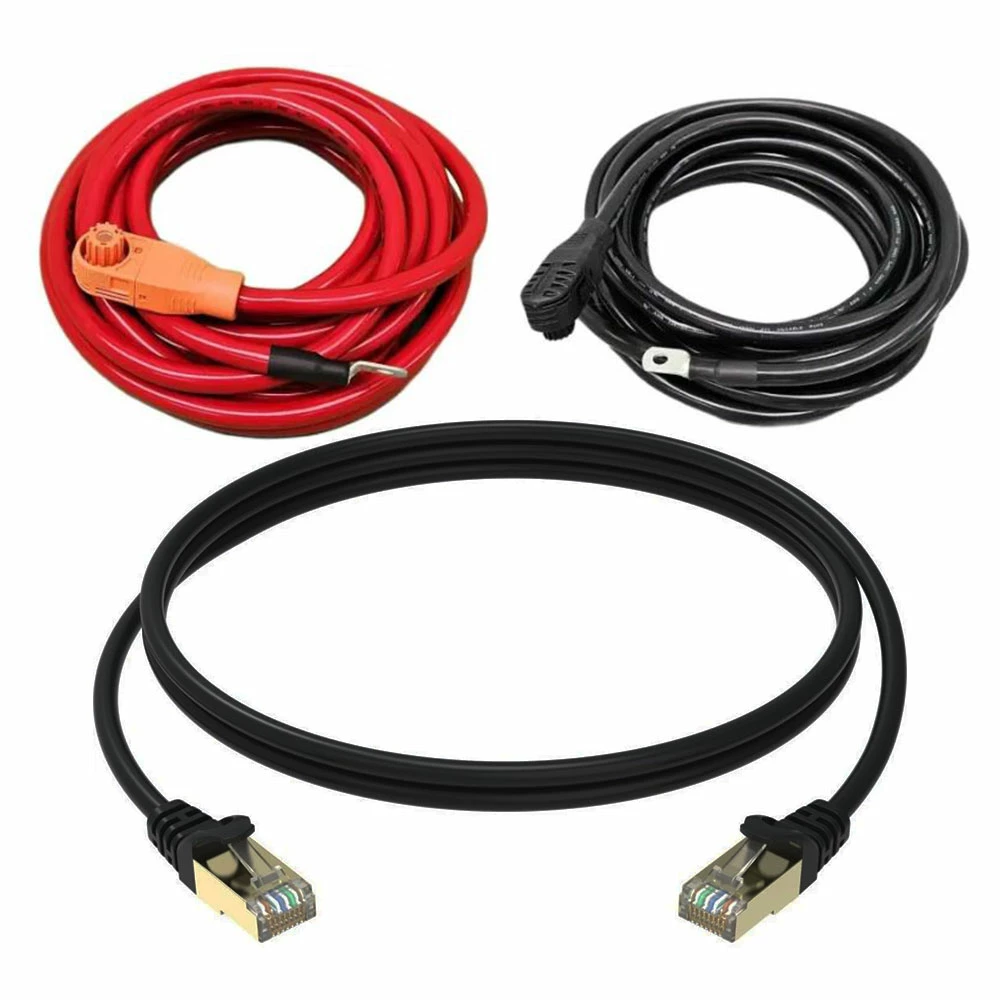
Deye BOS-G PRO Cable Set 5 metres
The Deye BOS-G Cable Set is the essential connection kit for the installation and commissioning of the Deye BOS-G high-voltage battery series. This set establishes a secure connection between the battery tower (cluster) and the hybrid inverter. It includes all the necessary cables for power transmission (DC) as well as the intelligent communication between the Battery Management System (BMS) and the inverter.With a standard length of 5.0 metres per cable, this set offers maximum flexibility in choosing the location of the battery storage and inverter, even if they cannot be mounted directly next to one another. All components are designed for the high voltages and currents of high-voltage systems and guarantee low-loss energy transmission.Key features at a glanceComplete set: Contains all cables required for connecting a BOS-G battery cluster to the inverter.Long reach: The generous cable length of 5.0 metres enables flexible installation in utility rooms or garages.Optimised cable cross-sections: The DC power cables are dimensioned for the high loads of high-voltage systems in order to minimise heating and voltage drops.Secure connectors: Pre-assembled connectors ensure error-free polarity and quick plug-and-play installation.Interference-free communication: The shielded communication cable ensures precise data exchange between the BMS and inverter.Industrial quality: Robust insulation and high-quality materials for lasting reliability in stationary storage applications.Components of the set1x EPCable 5.0 (Positive Power Cable)The red DC power cable for connecting the positive terminal between the Battery Control Box (BMS) and the inverter.1x ENCable 5.0 (Negative Power Cable)The black DC power cable for connecting the negative terminal between the storage cluster and the inverter.1x ECOM Cable 5.0 (Communication Cable)The dedicated data cable (RJ45-based) for CAN/RS485 communication, allowing the inverter to read the battery data in real time.Installation & safety instructionsStrain reliefWhen routing the 5-metre cables, make sure they are laid without kinks and fixed to solid structures to avoid mechanical tension on the connections.Secure plug connectionEnsure that the power connectors click audibly into place. A loose connection can lead to arcing and overheating under high loads.Connection sequenceAlways connect the communication cable (ECOM) first and check the correct assignment before energising the DC power cables. Features ModelDeye BOS-G Cable Set Cable type**DC high-voltage power cable** Max. voltage**1000 V DC** Max. current**125 A** Set contentsPositive cable, negative cable, communication cable CompatibilityDeye BOS-G (HV) series Cable length5m Safety standardFlame-retardant according to UL94-V0 Special featureIncl. **BMS-CAN/RS485** data cable FAQs about the Deye BOS-G Cable SetCan I shorten the cables myself?Not recommended. The cables are factory-fitted with special high-current crimp contacts. Manual shortening without professional tools can increase the transition resistance and compromise the safety of the system.Is this set also suitable for the BOS-A series?Only to a limited extent. Check the plug compatibility on the control box beforehand. While the communication protocol is often identical, the physical DC connections can differ between different model series.Why is the ECOM cable so important?No communication, no function. In a high-voltage system, the BMS specifies to the inverter the power at which charging or discharging may take place. Without the ECOM cable, the inverter will refuse to operate for safety reasons.
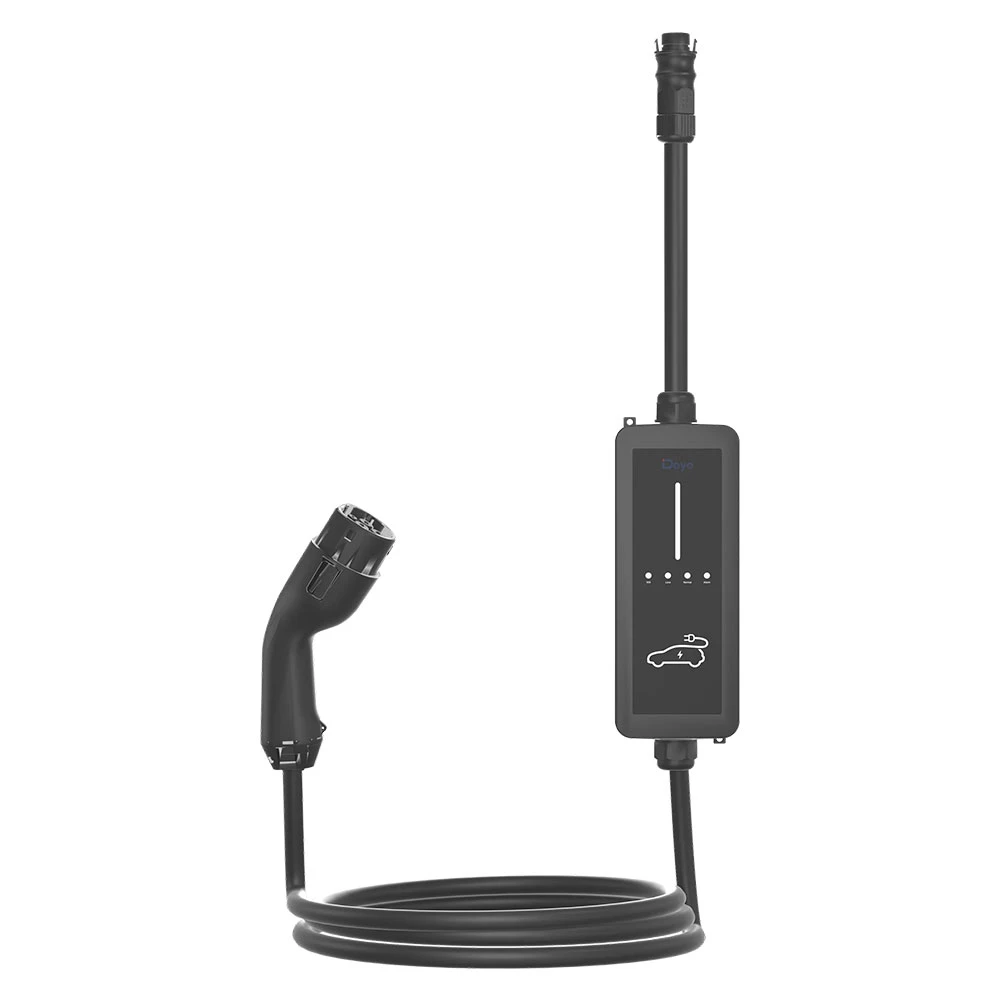
Deye WALLBOX SUN-EVSE11K01-EU-AC 11 kW Smart EV Charger
The Deye SUN-EVSE11K01-EU is a smart 11 kW wallbox for the safe, fast and efficient charging of electric vehicles in both domestic and commercial settings. Thanks to its three-phase connection with a charging power of up to 11 kW, it charges compatible electric and plug-in hybrid vehicles significantly faster than a standard domestic socket.Thanks to smart control options, integrated communication interfaces and comprehensive safety features, the Deye SUN-EVSE11K01-EU can be flexibly integrated into a modern energy management system. When used in conjunction with compatible Deye inverters, the wallbox can also be used for surplus PV charging, allowing self-generated solar power to be specifically used to charge the vehicle.The key benefits at a glanceHigh charging powerWith a charging power of up to 11 kW when connected to a three-phase supply, the Wallbox charges a compatible electric vehicle much faster than a standard domestic socket.Smart controlCharging processes can be conveniently monitored and controlled via the app. In addition, the wallbox supports authentication via RFID card as well as straightforward plug-and-play operation.Weatherproof and robust designThe housing, with an IP65 protection rating, is protected against dust and water jets. The IK10 impact resistance provides additional protection against mechanical impacts and ensures reliable operation in garages, carports and suitable outdoor areas.Comprehensive safety featuresThe integrated residual current detection for 30 mA AC and 6 mA DC, as well as protection functions against overvoltage, undervoltage, overload, short circuit and overheating, ensure safe charging operation. In accordance with the specified product characteristics, no external Type B residual current circuit breaker is required.Smart charging and solar optimisationThe Deye SUN-EVSE11K01-EU is more than just a standard charging point. It can be used as a smart component of a modern energy system and helps to increase the self-consumption of self-generated solar power. When used in conjunction with compatible Deye inverters, the wallbox supports surplus PV charging. This means the electric vehicle is charged primarily using the solar energy currently available.The wallbox can be integrated into the home network and compatible energy management systems via the built-in Wi-Fi, Bluetooth and RS485 interfaces. Charging times can be scheduled so that the vehicle is charged, for example, when solar power generation is high or during off-peak tariff periods. Control and monitoring are carried out via the Solarman or Deye cloud application.Flexible installation and operationThe wallbox can be mounted directly on a wall or, alternatively, on a suitable freestanding column. The integrated 5-metre Type 2 charging cable allows direct connection to numerous electric and plug-in hybrid vehicles commonly found in Europe. The compact housing and intuitive operation facilitate integration into both domestic and commercial charging environments.Contents of the package1x Deye SUN-EVSE11K01-EU wallbox, 11 kW1x integrated Type 2 charging cable, 5 m long1x wall bracket including fixing materials with screws and wall plugs1x User Manual and Installation Guide
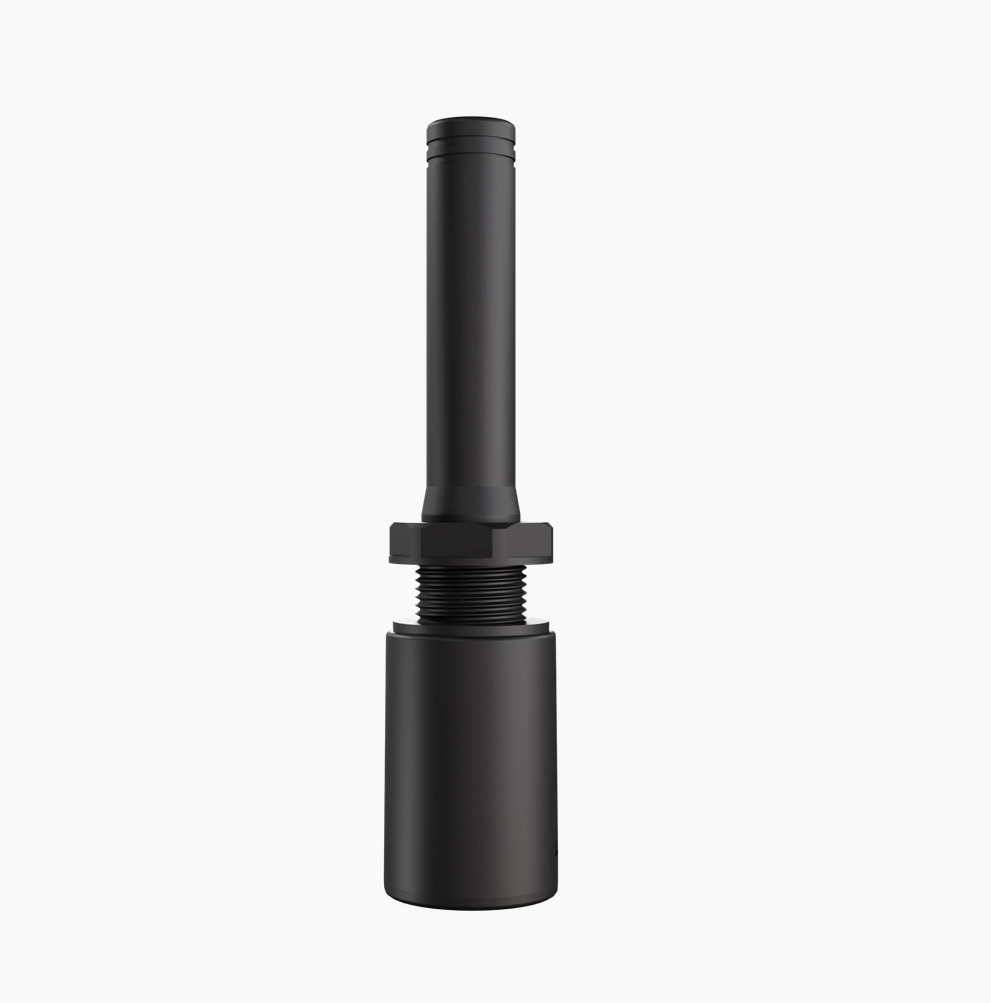
Deye Smart Transmitter | LoRa wireless module | SUN-SMART-TX01
The Deye Smart Transmitter SUN-SMART-TX01 is a LoRa wireless module that acts as a central communication interface between Deye hybrid inverters and smart devices – such as the SUN-SMART-CT01 smart meter. It transmits data wirelessly and enables the intelligent control of energy-consuming devices such as smart plugs, switches or EV charging stations. This makes the module ideal for residential and commercial applications where energy flows need to be managed locally, efficiently and without additional reliance on the cloud.Function and intended useThe Deye Smart Transmitter SUN-SMART-TX01 is the central communication module in the Deye Wireless Energy Management System. It connects the hybrid inverter to all smart Deye devices via the LoRa wireless protocol. This allows you to control your energy flows locally, prioritise loads and optimise the self-consumption of solar power. Typical applications include residential properties, small commercial premises or off-grid systems where energy efficiency and independence are key priorities.Data transmission and integrationData is transmitted via the LoRa wireless network in the 863 to 870 MHz frequency range. The transmitter communicates bidirectionally with the inverter and the connected devices over a range of up to 200 m. Communication takes place entirely locally, without the need for the internet or the cloud. The system responds with virtually no delay and allows direct control via the Deye Cloud app or the inverter display. For example, you can adjust charging times for electric vehicles or automatically activate appliances when there is a surplus of PV power.Compatibility and installationThe SUN-SMART-TX01 is compatible with all Deye hybrid inverters. It is connected via the meter port and mounted on a DIN rail. Once installed, it pairs automatically with the LoRa devices. Set-up is plug-and-play and requires no additional cabling. Thanks to its IP65 protection rating when installed, the module is suitable for both indoor and sheltered outdoor locations. It is powered by 5 V DC and has minimal power consumption.System benefits at a glanceDeye ’s Wireless Energy Management System with the SUN-SMART-TX01 offers you a flexible and scalable solution for smart energy management. You can integrate smart plugs, switches, power sensors and EV charging stations into the system. Local automation logic allows devices to be controlled based on time, battery level or PV output. This enables you to make the most of your solar power, reduce grid consumption and increase self-sufficiency.Deye SUN-SMART-TX01 package contents1x Deye Smart Transmitter SUN-SMART-TX01 with:1x LoRa wireless module1x user manual
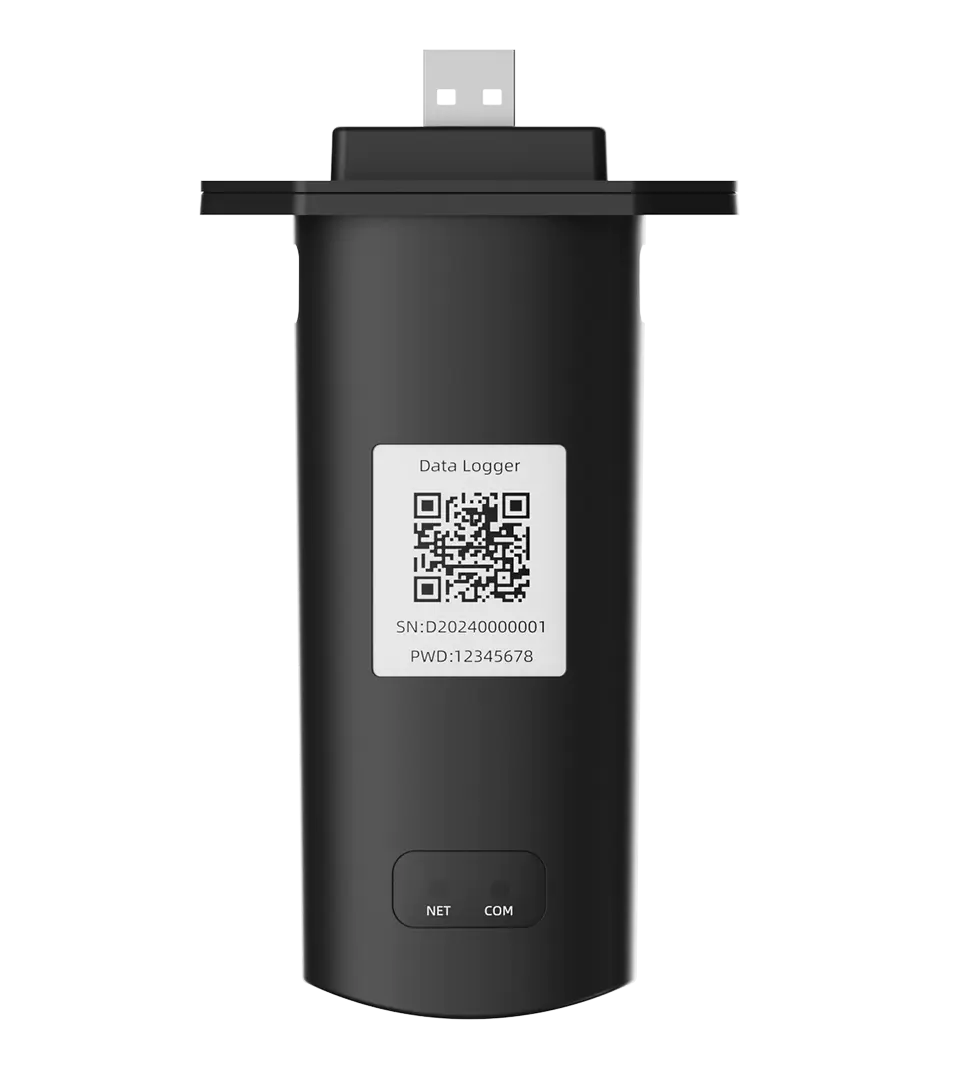
Deye DL100B-WIFI data logger
The Deye DL1000B-WIFI is the compact Wi-Fi data logger for all owners of an Deye inverter who wish to monitor their photovoltaic system conveniently from a distance. With data updated every minute and seamless integration with the Deye cloud, you can keep an eye on solar generation, battery status and grid consumption at all times – directly via the app or web portal.Key benefits for your systemComprehensive monitoringThe Deye data logger records inverter data at 1-minute intervals and automatically fills in any missing data points following connection failures.Flexible connectivity2.4 GHz Wi-Fi enables a continuous cloud connection, whilst Bluetooth BLE 5.3 ensures quick initial setup without the need for a Wi-Fi password.Remote OTA updatesFirmware updates for loggers and inverters are carried out via the cloud. A visit from a technician is not required.Robust constructionThe IP65 protection rating and an operating temperature range of -40 °C to +65 °C ensure reliable operation under a wide variety of conditions.Convenient remote monitoring of your photovoltaic systemWith the Deye DL1000B-WIFI data logger, your photovoltaic system becomes a smart energy hub. Via the Deye Cloud app for iOS and Android or the web portal, you can view the current status of your inverter at any time, check solar generation and receive system alerts directly on your smartphone. Multiple inverters can also be managed in parallel via a single account – ideal for larger systems or installers.Should a fault ever occur, remote diagnostics enable the Deye service team to quickly read out error codes and, if necessary, directly adjust the inverter parameters. Thanks to MODBUS command transmission and plug-and-play commissioning, the logger integrates seamlessly into your existing system. This saves you time, avoids unnecessary on-site visits and ensures reliable self-consumption of your solar power.Contents of the packageDeye DL1000B-WIFI data loggerDPI communication board (model-specific)Data cableInstallation instructions
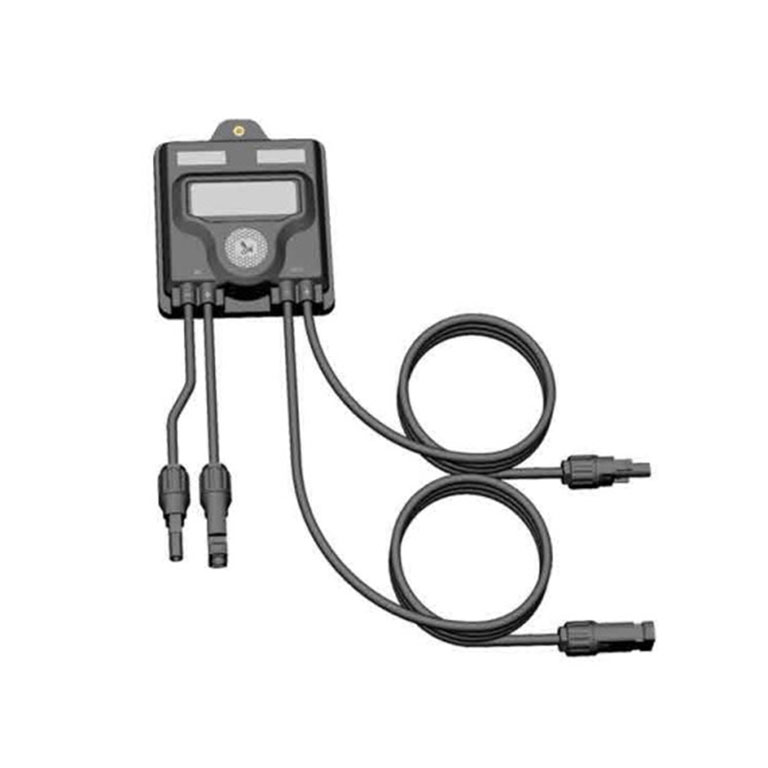
GNE Honeybee 650 Power Optimizer – Universal f
The GNE Honeybee 650 is a powerful DC power optimiser specifically designed to maximise the energy yield of photovoltaic systems in the event of shading, soiling or varying module orientation. Unlike closed systems (such as SolarEdge), the Honeybee 650 is universally compatible. It works with almost every standard string inverter (e.g. SMA, Fronius, Kostal, Growatt, Deye).Thanks to module-level MPPT (Maximum Power Point Tracking), this optimiser ensures that each solar module delivers its maximum output independently of the rest of the string. A shaded module therefore no longer reduces the output of the entire string. This makes the Honeybee 650 the ideal, cost-effective retrofit solution for existing installations or for complex new roofs.Highlights at a glanceUniversal compatibility: Works with almost all standard inverters and module types on the market, ideal for retrofits.Selective use: You do not have to equip all modules; it is often sufficient to fit only the affected (shaded) modules with an optimiser.High load capacity: Designed for modern high-performance modules up to 650 watts output and 15 amps input current.Shading management: Eliminates mismatch losses caused by shade (chimney, dormer, trees), dirt or ageing.Real-time monitoring: In combination with the (optional) Beehive base station, monitoring at module level is possible.Safety shutdown: Offers (with optional accessories) rapid shutdown functions for greater safety in the event of a fire.Robust design: IP68-certified housing for long-lasting weather resistance and durability on the roof.Areas of applicationShading: Roofs with moving shade caused by dormers, chimneys, satellite dishes or trees.Different orientations: Strings distributed across several roof surfaces (e.g. east/west) or pitch angles.Module mix: Systems in which (e.g. due to repair) different module outputs must be combined in one string.Repowering: Retrofitting old systems to compensate for degradation losses.Installation & safety instructionsObserve the sequence: Connect first the optimisers to the solar modules and then connect the outputs of the optimisers to the string. Only at the very end is the string connected to the inverter.Selective vs. full expansion: The Honeybee 650 can be used selectively (only on shaded modules) to save output. However, if you require monitoring (monitoring each individual module via app), you must equip all modules in a string with an optimiser as well as the additional communication unit (Beehive Gateway).Spacing: When mounting on the frame, ensure that the rear side of the optimiser (cooling surface) has a little air gap to the rear side of the module to ensure good heat dissipation. Specifications ModelGNE Honeybee 650 Max. module output**650 W** Max. input voltage**75 V** Max. input current**16 A** MPPT voltage range12 V - 75 V Max. efficiency**99.6 %** Connector type**MC4 compatible** (Evo2) Protection rating**IP68** (Fully waterproof) Operating temperature-40°C to +85°C Dimensions (without cable)130.5 x 113 x 26 mm FAQs about the GNE Honeybee 650Can I also use this optimiser with a SolarEdge inverter?No. SolarEdge inverters necessarily require SolarEdge's own optimisers, as these are firmly integrated into the inverter control system. The GNE Honeybee is intended for all other (classic) string inverters (SMA, Fronius, Huawei etc.).Do I need an additional device for optimisation?No. For pure power optimisation (shade management), the Honeybee 650 works autonomously. It starts working as soon as current flows. You only need additional devices (Beehive Data Logger) if you want to see the data of each individual module on your mobile phone or require active rapid shutdown.What is the difference compared to the Tigo TS4-A-O?Functionally, both are very similar (universal optimisers up to 700W/650W). GNE often positions the Honeybee as an attractively priced alternative. Both systems use similar radio technologies for monitoring, but are not compatible with each other (you cannot mix Tigo and GNE in the same string).